

Introduction
Grief is one of the most universal human experiences, yet it is also one of the most misunderstood.
There is no timeline for grief. No correct way to experience it. And no single path through it.
In recent conversations on The Voice of Aging, including discussions with hospice professionals and death doulas, one truth consistently emerged:
Grief does not begin at death—and it does not end with the funeral.
It is a process that unfolds over time, often in waves, and touches every part of a person’s emotional, physical, and social life.
Understanding grief—and knowing where to find support—can make an enormous difference for individuals and families navigating loss.
Understanding Grief: A Natural Response to Loss
Grief is not a problem to be solved. It is a response to love, attachment, and meaning.
While every person experiences grief differently, common responses include:
- Sadness or deep emotional pain
- Shock or numbness
- Anger or irritability
- Guilt or regret
- Fatigue or exhaustion
- Difficulty concentrating
- Changes in sleep or appetite
- Waves of emotional intensity
These reactions may come and go unpredictably.
There is no “normal” timeline for grief. For some, healing begins within months. For others, it takes years—or continues in a different form throughout life.
As discussed in our article Embracing the Journey: Understanding Hospice Care, grief often begins before a loss occurs, especially during long illnesses when families experience anticipatory grief.
The Role of Bereavement Support
Bereavement support refers to the emotional, psychological, and sometimes spiritual care provided to individuals after the death of a loved one.
Support may come from:
- Hospice bereavement programs
- Support groups
- Faith-based communities
- Counselors or therapists
- Peer-led groups
- Online communities
Many hospice organizations offer structured bereavement support for months after a loss, helping families process emotions and adjust to life without their loved one.
As highlighted in Financial Self-Care for Caregivers, emotional support is a critical part of caregiving and post-caregiving recovery. Without it, grief can become isolating and overwhelming.

GriefShare: Structured Support for Healing
One widely recognized resource in bereavement care is GriefShare, a faith-based grief support program used by thousands of communities worldwide.
GriefShare offers:
- Weekly group support sessions
- Video-based teaching from grief counselors and professionals
- Guided discussion and reflection
- A workbook for personal processing
- Community support from others experiencing loss
Many participants describe GriefShare as helpful because it provides structure during a time when life can feel disorganized and uncertain.
GriefShare emphasizes a key truth:
You do not have to walk through grief alone.
For individuals seeking community-based support, programs like GriefShare can provide consistency, connection, and understanding during the grieving process.
“All There Is” with Anderson Cooper: A Modern Exploration of Grief
Another powerful resource mentioned in The Voice of Aging death doula conversation is the podcast All There Is with Anderson Cooper.
Unlike structured programs, this podcast offers a deeply personal exploration of grief.
Through conversations with guests—and through Cooper’s own reflections on losing his father and brother—the series explores questions such as:
- What does grief feel like in real life?
- Why does grief change over time?
- How do people continue after loss?
- What does it mean to carry someone with you after they’re gone?
What makes All There Is especially impactful is its honesty. It does not attempt to “fix” grief. Instead, it normalizes it as an ongoing part of human experience.
For many listeners, the series provides validation that grief is not something to overcome—but something to learn to live with.
Different Ways Grief Shows Up
Grief is not only emotional—it often affects every area of life.
Emotional Impact
- Waves of sadness
- Emotional numbness
- Unexpected triggers
- Mood changes
Physical Impact
- Fatigue
- Sleep disruption
- Appetite changes
- Physical tension or pain
Cognitive Impact
- Forgetfulness
- Difficulty focusing
- Mental fog
- Disorientation
Social Impact
- Withdrawal from relationships
- Feeling misunderstood
- Changes in identity or roles
Understanding these patterns can help individuals recognize that grief is not just emotional—it is a whole-body experience.
When Grief Feels Overwhelming
While grief is natural, some individuals experience prolonged or complicated grief that makes daily functioning difficult.
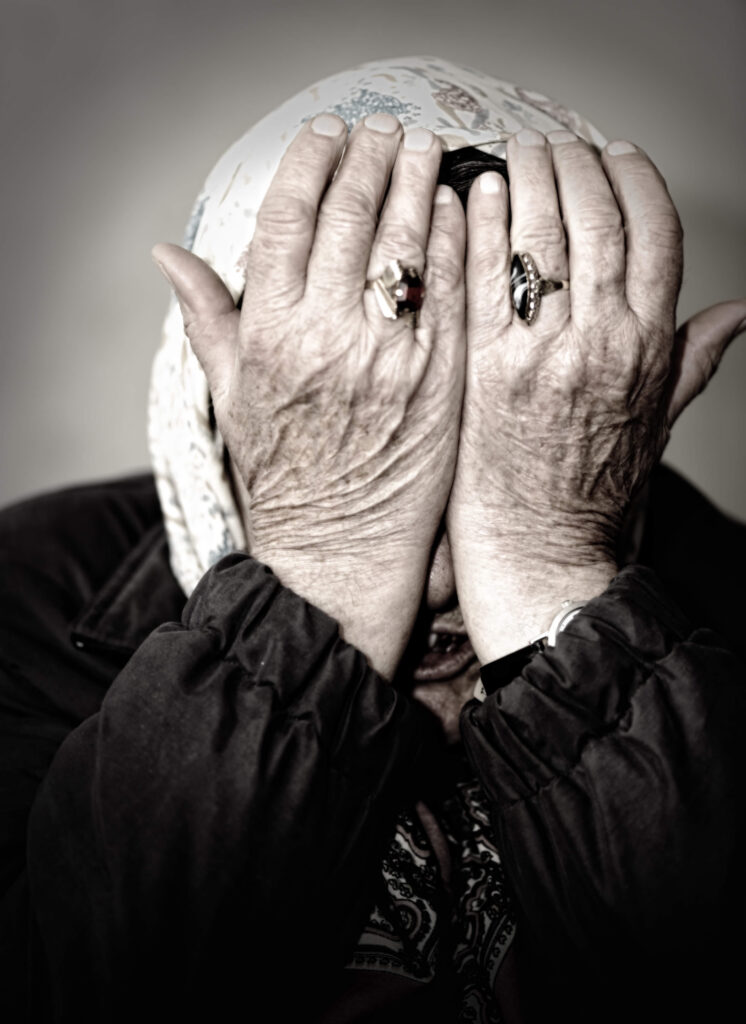
Signs may include:
- Persistent inability to engage in daily life
- Intense emotional pain that does not ease over time
- Isolation from friends and family
- Loss of identity or purpose
- Difficulty accepting the loss even long after it occurred
In these cases, professional support such as grief counseling or therapy may be beneficial.
Hospice bereavement programs or community organizations can often help connect families to appropriate resources.
The Role of Hospice in Bereavement Support
As discussed in Embracing the Journey: Understanding Hospice Care, hospice care does not end at death.
Many hospice organizations provide bereavement support for up to 13 months or longer after a loved one passes.
These services may include:
- Follow-up calls and check-ins
- Grief counseling referrals
- Support groups
- Memorial services
- Family education on grief
- Children’s grief support resources
This continued care helps families adjust gradually rather than feeling abruptly disconnected after a loss.
The Role of Death Doulas in Grief Preparation
As explored in Navigating the Journey with a Death Doula: Embracing Transformation, grief support often begins before death occurs.
Death doulas help families:
- Prepare emotionally for loss
- Begin anticipatory grief processing
- Have meaningful conversations before death
- Create legacy projects and memory work
- Reduce emotional shock after passing
This preparation can significantly ease the intensity of grief afterward by creating space for closure and connection.
Finding the Right Support for Your Grief
Grief support is not one-size-fits-all. Different people benefit from different approaches.

You may consider:
- Structured group support (GriefShare)
- Personal reflection or journaling
- Faith or spiritual communities
- Therapy or counseling
- Podcasts or educational content
- Peer support groups
- Family or close friend networks
What matters most is not how you grieve—but that you are supported while grieving.
How Aging Advisors Can Help
Grief often brings not only emotional challenges but also practical responsibilities:
- Managing estates
- Organizing documents
- Handling financial accounts
- Coordinating funeral arrangements
- Navigating legal processes
At Aging Solutions, our Aging Advisors help families bring clarity to these next steps so they are not navigating complex systems alone during a time of emotional overwhelm.
While we do not replace grief counseling or therapy, we help reduce logistical stress so families can focus on healing.
Final Thoughts: Grief as a Continuation of Love
Grief does not mean something went wrong.
It means something mattered deeply.
There is no finish line to grief—only learning how to carry it differently over time.
Resources like GriefShare and All There Is with Anderson Cooper remind us that grief is shared, human, and survivable—even when it feels overwhelming.
And perhaps most importantly:
You do not have to navigate it alone.

Continue Your Journey
For more conversations on aging, caregiving, end-of-life planning, and emotional wellbeing, listen to The Voice of Aging podcast and subscribe to the Aging Solutions newsletter for ongoing support and education.
If you’re navigating a loss or supporting someone who is, Aging Solutions is here to help guide the practical side of the journey so you can focus on what matters most—healing, remembering, and honoring the life that was lived.
