

Introduction
Few words in healthcare create more fear and uncertainty than hospice. For many families, hearing the word feels like giving up hope or admitting defeat. In reality, hospice is not about giving up—it is about changing the focus of care.
Rather than continuing treatments aimed at curing an illness, hospice shifts toward comfort, dignity, symptom management, and helping individuals live as fully as possible during the time they have remaining.
In a recent episode of The Voice of Aging, Brynne Malone, founder of Aging Solutions, sat down with hospice expert Kathleen Giannette to discuss what hospice truly is, why so many families misunderstand it, and how embracing hospice earlier can create a more peaceful experience for everyone involved.
Hospice is often one of the greatest gifts families never realize they have available until they need it.
What Is Hospice Care?
Hospice is specialized healthcare designed for individuals with a life-limiting illness when curative treatment is no longer the primary goal.
The purpose of hospice is to improve quality of life by managing pain, reducing uncomfortable symptoms, and supporting the emotional, spiritual, and practical needs of both patients and their loved ones.
Hospice care focuses on the whole person—not simply the disease.
Rather than asking, “How do we cure this illness?” hospice asks,
“How do we make every day as comfortable and meaningful as possible?”
Hospice care may be provided in:
- A person’s home
- Assisted living communities
- Memory care communities
- Adult family homes
- Skilled nursing facilities
- Dedicated hospice centers
One of the greatest misconceptions is that hospice is only for the final days of life. In reality, many people benefit from hospice services for several months, allowing them and their families to receive meaningful support much earlier in the journey.

The History of Hospice
Although hospice has become a recognized part of modern healthcare, its roots stretch back hundreds of years.
Early Origins
The word hospice comes from the Latin word hospitium, meaning hospitality or shelter.
During medieval times, hospices were places where travelers, pilgrims, and the seriously ill could receive rest, comfort, and compassionate care.
These early centers focused on caring for the person rather than simply treating disease.
The Modern Hospice Movement
Modern hospice care began in 1967 when Dame Cicely Saunders opened St. Christopher’s Hospice in London.
Saunders introduced the revolutionary concept of total pain, recognizing that suffering is not only physical but also emotional, psychological, social, and spiritual.
Her work transformed end-of-life care worldwide.
Hospice in the United States
The first hospice program in the United States opened in Connecticut in 1974.
Since then, hospice has become an essential part of healthcare, helping millions of families navigate one of life’s most difficult transitions with compassion and dignity.
Why Families Wait Too Long
Unfortunately, many families delay hospice because they believe accepting hospice means losing hope.
In reality, waiting often means missing valuable services that could have improved quality of life much sooner.
Common misconceptions include:
- Hospice means death is imminent.
- Hospice speeds up death.
- Hospice means doctors stop caring.
- Hospice is only for cancer patients.
- Hospice means medications are discontinued.
None of these beliefs accurately reflect hospice care.
Instead, hospice focuses on comfort, symptom management, family education, emotional support, and helping individuals make the most of every remaining day.
Many families later express one common sentiment:
“We wish we had started hospice sooner.”
What Services Does Hospice Provide?
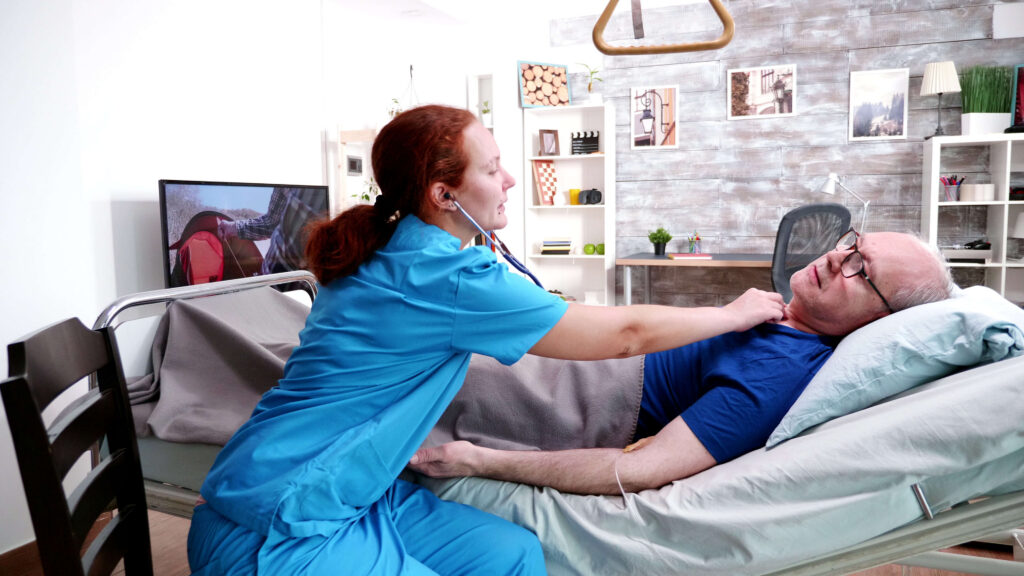
Hospice care is delivered by an interdisciplinary team that works together to address every aspect of a patient’s wellbeing.
Medical Care
Hospice physicians and nurses monitor symptoms and adjust care plans as needs change.
They help manage:
- Pain
- Shortness of breath
- Anxiety
- Nausea
- Fatigue
- Restlessness
- Difficulty swallowing
- Medication management
The goal is to maximize comfort while minimizing unnecessary hospital visits.
Personal Care
Hospice aides often assist with:
- Bathing
- Grooming
- Dressing
- Hygiene
- Mobility assistance
These services help patients maintain dignity while reducing physical demands on family caregivers.
Emotional and Spiritual Support
Serious illness affects far more than physical health.
Hospice social workers and chaplains provide support through:
- Family counseling
- Advance care planning
- Difficult conversations
- Grief support
- Spiritual guidance
- Community resources
Every family’s emotional and spiritual needs are unique, and hospice honors those individual preferences.

Medical Equipment and Supplies
One benefit many families don’t realize is that hospice often coordinates and provides essential medical equipment and supplies.
Depending on individual needs, this may include:
- Hospital beds
- Wheelchairs
- Walkers
- Oxygen equipment
- Bedside commodes
- Medical supplies
- Comfort medications
This greatly reduces the burden of coordinating care independently.
As discussed in our article Understanding Medicare vs. Long-Term Care Coverage, many people are surprised by what Medicare does and does not cover. While Medicare generally does not pay for long-term custodial care, the Medicare Hospice Benefit often covers hospice-related services, medications, equipment, and support for individuals who meet hospice eligibility requirements.
The Incredible Role of Hospice Volunteers
One of hospice’s most unique features is its volunteer program.
Volunteers offer companionship in ways that enrich everyday life.
They may:
- Read books aloud
- Play music
- Share conversation
- Sit with patients while caregivers rest
- Help with errands
- Write letters
- Assist with legacy projects
- Offer pet visits or creative activities
Sometimes the greatest gift is simply being present.
Supporting the Entire Family
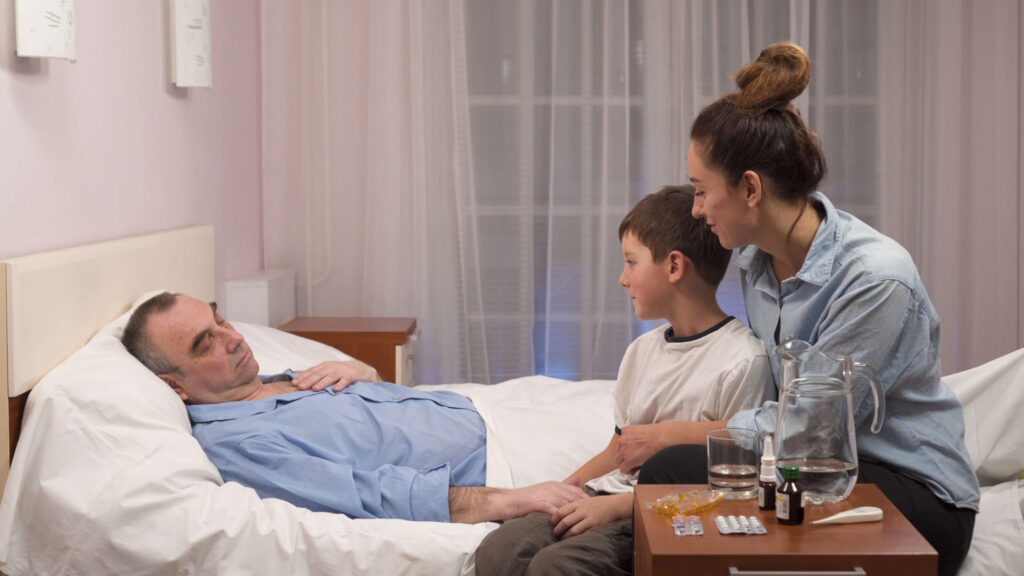
Hospice isn’t only for the patient.
It supports the people who love them as well.
Family caregivers often experience:
- Physical exhaustion
- Emotional stress
- Financial strain
- Decision fatigue
- Feelings of isolation
Hospice helps reduce these burdens by providing education, resources, emotional support, and regular check-ins.
As we discussed in our article Financial Self-Care for Caregivers, caregiving is most successful when it is sustainable. Hospice can become an important partner in reducing caregiver burnout by providing guidance, respite opportunities, and a team of professionals who share the responsibility of care.
Respite Care and Bereavement Support
Hospice care continues supporting families even after a loved one passes.
Respite Care
Hospice may offer temporary respite care, allowing caregivers time to:
- Rest
- Attend appointments
- Spend time with family
- Recover emotionally
- Prevent burnout
Taking a break is not abandoning a loved one—it is part of maintaining healthy caregiving.
Bereavement Services
Grief does not end with a funeral.
Hospice organizations often provide bereavement support for up to 13 months after a loved one’s passing.
Services may include:
- Individual counseling
- Support groups
- Memorial events
- Educational resources
- Follow-up calls
- Children’s grief resources
This ongoing care helps families navigate one of life’s most difficult seasons.

When Is the Right Time for Hospice?
One of the biggest lessons shared during Brynne Malone’s conversation with Kathleen Giannette was that hospice should not be viewed as a last resort.
Instead, families should begin asking questions when:
- Curative treatments are becoming less effective.
- Hospitalizations become more frequent.
- Daily activities become increasingly difficult.
- Symptoms are becoming harder to manage.
- Quality of life becomes the primary priority.
Beginning these conversations early gives families more time to understand their options and make informed decisions without the pressure of an immediate crisis.
Choosing a Hospice Provider
Not every hospice organization is exactly the same.
Families should feel comfortable interviewing providers and asking questions such as:
- What services are included?
- How often will nurses visit?
- Is someone available 24 hours a day?
- What caregiver education is provided?
- What bereavement services are offered?
- How are emergencies handled?
- What volunteer services are available?
Finding the right team can make an enormous difference in the family’s experience.
How Aging Solutions Can Help
Hospice is just one part of the aging journey, and families often have many questions long before hospice becomes appropriate.
At Aging Solutions, we help families navigate every stage of aging by providing guidance, education, planning resources, emergency preparedness, care coordination, and personalized Aging Advisor services.
Whether you’re planning years in advance or facing an immediate healthcare transition, our goal is to help families make informed decisions with confidence rather than fear.
Conclusion
Hospice is not about giving up—it is about choosing comfort, dignity, compassion, and quality of life.
By understanding what hospice truly offers, families can replace fear with knowledge and uncertainty with support.
Starting conversations early, asking questions, and building a team of trusted professionals allows aging adults and their loved ones to focus less on navigating the healthcare system and more on spending meaningful time together.
For more educational resources on aging, caregiving, financial planning, and navigating life’s later chapters, subscribe to the Aging Solutions newsletter and listen to The Voice of Aging podcast, where Brynne Malone speaks with experts who are helping families age with confidence, dignity, and peace of mind.
