

Introduction
When most people think of the fire department, they picture firefighters rushing to extinguish burning buildings. While those dramatic moments certainly happen, they represent only a small portion of what today’s fire service does.
In reality, the majority of emergency calls involve medical emergencies.
In this episode of The Voice of Aging, Brynne Malone sat down with Spokane County Fire District 9 Fire Commissioner Greg Anderson to discuss how the fire service has evolved, the growing role of emergency medical services (EMS), and what families can do to help first responders provide the best possible care.
One message stood out throughout the conversation:
Preparation before an emergency can save valuable time—and potentially save lives.
The Modern Fire Service: More Than Fighting Fires
Today’s firefighters are highly trained emergency medical professionals.
According to Greg Anderson, approximately 80% of calls received by many fire departments involve medical emergencies, while only about 20% involve fires or technical rescue incidents.
Medical calls may include:
- Falls
- Cardiac emergencies
- Stroke symptoms
- Difficulty breathing
- Diabetic emergencies
- Medication reactions
- Motor vehicle accidents
- Unconscious individuals
As our communities continue to age, emergency responders are increasingly called upon to assist older adults experiencing medical crises rather than fire-related emergencies.
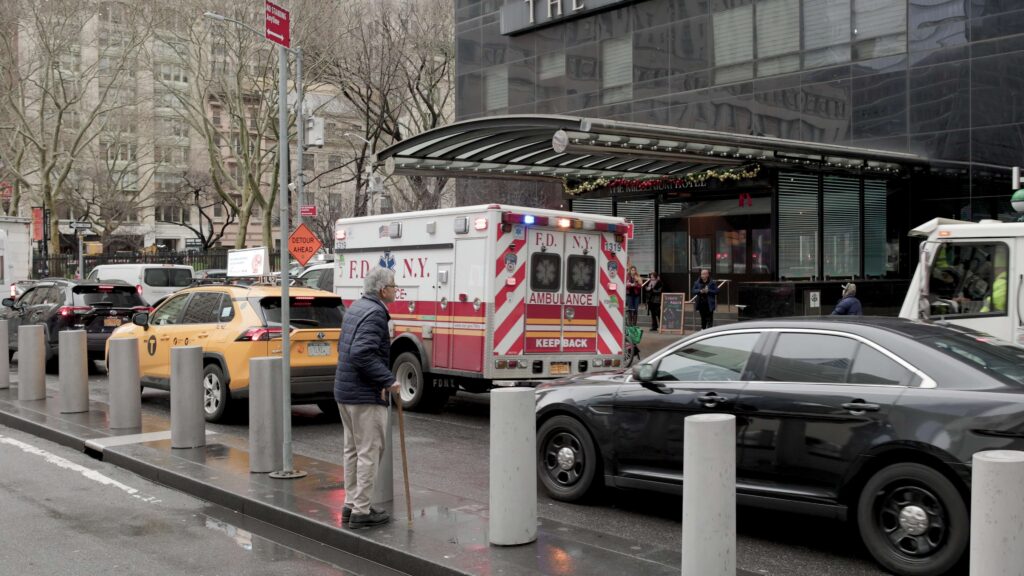
How EMS Responders Make Critical Decisions
Every emergency scene is unique, but responders follow carefully developed medical protocols that allow them to begin treatment immediately.
These protocols are based on extensive education, ongoing training, and evidence-based medicine.
Paramedics and EMTs must quickly determine:
- What happened?
- What medications is the patient taking?
- Does the patient have allergies?
- What chronic medical conditions exist?
- Has the patient experienced similar symptoms before?
- Is there a Do Not Resuscitate (DNR) order?
- Who should be contacted?
When this information is available quickly, responders can make more informed decisions and begin appropriate treatment sooner.
Why Medical Information Matters During an Emergency
One of the biggest challenges first responders face is the lack of reliable medical information.
Patients may be:
- Unconscious
- Confused
- Experiencing dementia
- Unable to speak
- In severe pain
- Alone when responders arrive
Family members may also be overwhelmed and unable to immediately recall medications, diagnoses, allergies, or healthcare history.
In emergencies, every minute spent searching for information is time that cannot be spent providing care.
Technology Is Improving Emergency Response
Fire departments continue to embrace technology that improves patient care.
Tablets, electronic reporting systems, and integrated medical software now allow emergency responders to document care more efficiently and, in many cases, access important medical information more quickly.
Technology has improved:
- Patient documentation
- Communication between responders
- Hospital coordination
- Continuity of care
- Billing accuracy
- Response efficiency
However, technology is only as useful as the information available.
Families still play a vital role in ensuring accurate medical information is accessible during an emergency.
The Importance of Family Emergency Preparedness
Preparing for a medical emergency begins long before anyone dials 911.
Families can significantly improve emergency response by organizing important information ahead of time.
Helpful information includes:
- Current medications
- Allergies
- Medical diagnoses
- Emergency contacts
- Primary care physician
- Specialists
- Insurance information
- Advance directives
- Do Not Resuscitate (DNR) documentation, when applicable
These conversations are especially important for older adults, individuals with chronic illnesses, and anyone managing multiple medications.
Organizing important medical and legal documents before a crisis reduces stress for families and allows emergency responders to act more confidently.
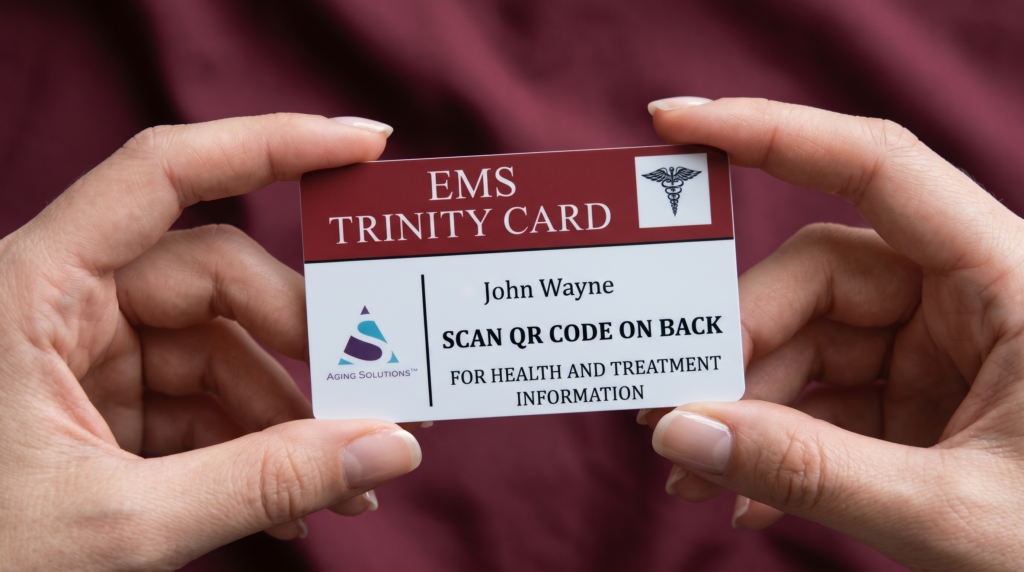
Why the Trinity EMS Card Can Make a Life-Saving Difference
One of the simplest ways families can prepare for a medical emergency is by ensuring critical medical information is immediately available to first responders.
The Trinity EMS Card was created specifically for moments like these.
Rather than relying on family members to remember every medication, diagnosis, allergy, or emergency contact during a stressful situation, the Trinity EMS Card provides first responders with immediate access to essential information through a secure QR code linked to a continually updated medical profile.
The card can include:
- Current medications
- Allergies
- Medical conditions
- Emergency contacts
- Physician information
- Insurance details
- Advance directive information
- Other important health notes
For older adults, individuals living alone, people managing chronic illnesses, or anyone taking multiple medications, the Trinity EMS Card can reduce confusion during an emergency and help first responders make informed decisions more quickly.
It also provides families with peace of mind, knowing that accurate information is available even if they cannot be present when emergency crews arrive.
Preparation cannot prevent every emergency—but it can help emergency responders provide the safest, most effective care possible.
Responding to Motor Vehicle Accidents
Medical emergencies are not limited to homes.
Greg also discussed the complexity of responding to motor vehicle accidents.
These incidents require responders to balance:
- Scene safety
- Vehicle stabilization
- Patient assessment
- Extrication techniques
- Immediate medical treatment
- Transportation decisions
Every rescue requires careful coordination between firefighters, paramedics, law enforcement, and hospital personnel.
Again, having accurate medical information readily available can make treatment decisions faster and more effective.
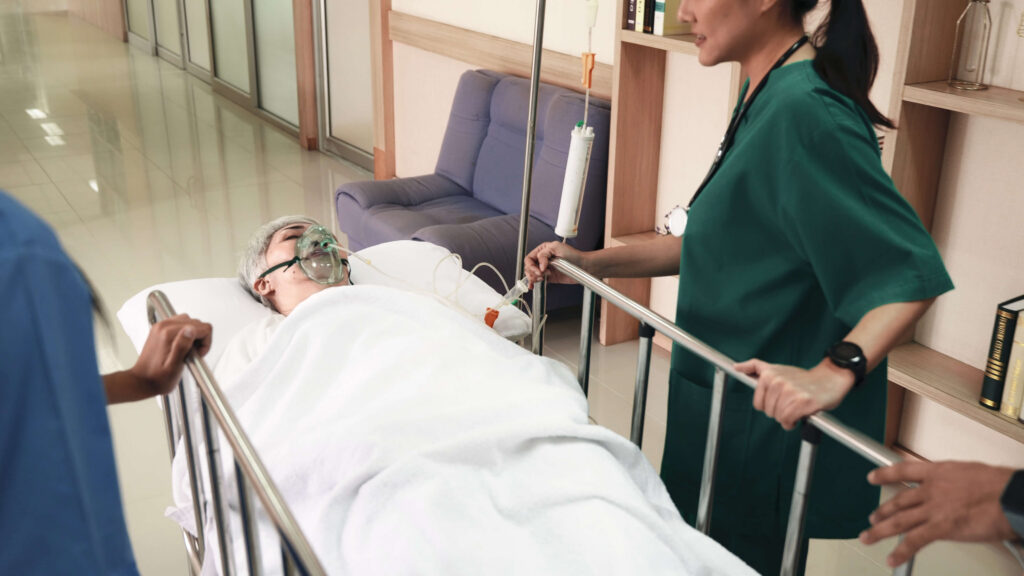
Planning Ahead Is an Act of Love
Emergency preparedness is one of the most practical gifts families can give one another.
Simple conversations today can prevent confusion tomorrow.
Planning may include:
- Organizing medical records
- Updating emergency contacts
- Discussing healthcare wishes
- Completing advance directives
- Keeping medication lists current
- Making emergency information easily accessible
As we explored in Understanding Medicare vs. Long-Term Care Coverage and Financial Self-Care for Caregivers, preparation often reduces both emotional and financial stress during healthcare crises.
How Aging Advisors Can Help
Many families know they should prepare for emergencies—but they’re unsure where to begin.
At Aging Solutions, our Aging Advisors help families organize medical information, discuss advance care planning, coordinate healthcare resources, and prepare for unexpected medical situations.
Whether you’re caring for an aging parent, managing your own health, or planning for the future, our goal is to help families feel confident—not overwhelmed—when emergencies arise.
Final Thoughts
Medical emergencies rarely happen when we expect them.
The best time to prepare is long before the ambulance arrives.
As Fire Commissioner Greg Anderson shared, today’s fire service is deeply rooted in emergency medical care. Their ability to respond effectively depends not only on their training but also on the information available when they arrive.
By organizing medical information, discussing healthcare wishes, and using tools like the Trinity EMS Card, families can become active partners in emergency preparedness.
Preparation does not eliminate emergencies—but it can make all the difference when seconds matter.
Continue the Conversation
For more expert conversations on emergency preparedness, aging, caregiving, healthcare, and planning for the future, listen to The Voice of Aging podcast and subscribe to the Aging Solutions newsletter.
Explore more helpful resources:
Together, these resources can help you prepare for life’s unexpected moments with greater confidence, clarity, and peace of mind.
