

Introduction
Conversations around death are often avoided in modern culture, yet death is one of the few universal experiences we all share. In recent years, a growing movement has begun to reshape how we approach the end of life—bringing compassion, presence, and intentionality back into the process.
One of the most meaningful roles within this movement is the death doula, also known as an end-of-life doula.
In this episode of The Voice of Aging, Brynne Malone explores the role of death doulas, with end-of-life professional Dr. Susan Abernethy, who helps families navigate this deeply emotional transition with dignity, clarity, and support.
Death doulas do not replace medical care. Instead, they provide guidance, emotional grounding, and advocacy during one of life’s most vulnerable chapters.
Understanding their role can help families feel more supported, less overwhelmed, and better prepared for end-of-life decisions.
What Is a Death Doula?
A death doula is a non-medical companion trained to support individuals and families through the dying process.
Just as birth doulas support life coming into the world, death doulas support the transition out of it.
Their work focuses on:
- Emotional support for the dying person and family
- Guidance through end-of-life decisions
- Advocacy for personal wishes and values
- Support with planning and preparation
- Creating a calm, meaningful environment
- Helping families process anticipatory grief
Death doulas are not medical providers. Instead, they complement the care provided by hospice and palliative care teams.
For a deeper understanding of those services, you may also explore:
The Return of a Forgotten Tradition
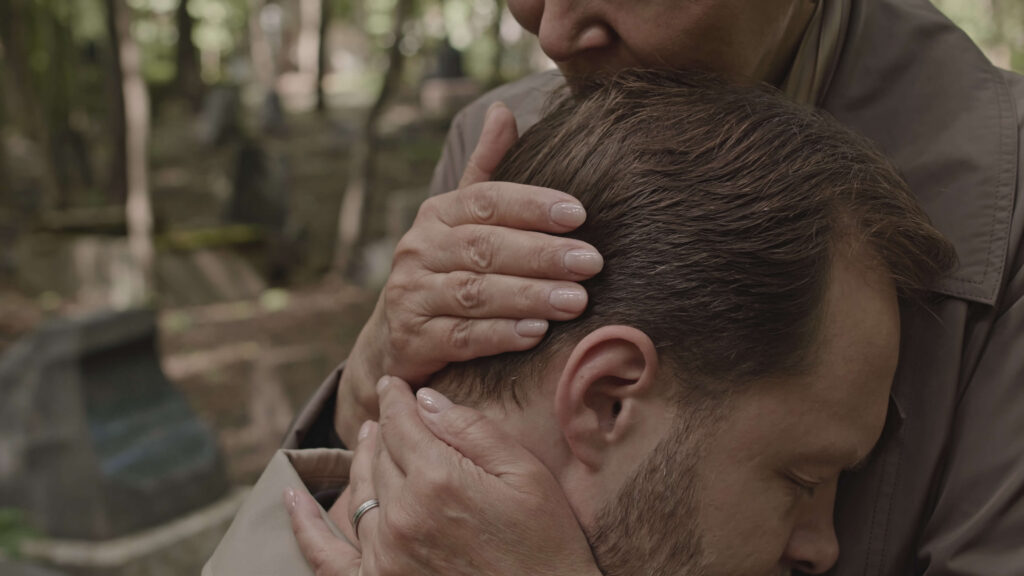
Historically, death was a more communal experience.
Families cared for loved ones at home, neighbors participated in rituals, and the process of dying was often integrated into daily life.
Over time, death moved into institutional settings, becoming more medicalized and less visible.
Death doulas represent a return to something older and deeply human:
A recognition that dying is not just a medical event—it is a life transition.
They help bridge the gap between clinical care and emotional, spiritual, and relational support.
What Does a Death Doula Do?
Death doulas provide non-clinical support tailored to the needs of each individual and family.
Emotional and Spiritual Support
- Offering presence and companionship
- Supporting fear, anxiety, and uncertainty
- Helping families process grief before and after death
- Encouraging meaningful conversations
Planning and Advocacy
- Helping clarify end-of-life wishes
- Supporting advance directive conversations
- Encouraging communication between family members
- Advocating for the individual’s values and preferences
Practical Support
- Assisting with planning and preparation
- Helping organize legacy projects (letters, recordings, memories)
- Supporting vigil planning and bedside presence
- Helping families understand what to expect during the dying process
Family Support
- Educating families about the dying process
- Reducing fear through information and presence
- Supporting caregivers who may feel overwhelmed or isolated
The Importance of Talking About Death
One of the most important aspects of death doula work is encouraging conversation.
Many families avoid discussing death until a crisis occurs, leaving loved ones unprepared for critical decisions.

Death doulas often help initiate conversations such as:
- What matters most at the end of life?
- What fears or concerns exist around dying?
- What kind of care feels aligned with personal values?
- Who should be involved in decisions?
- What does a “good death” mean to you?
These conversations can be difficult, but they often bring clarity, peace, and connection.
As explored in our article End-of-Life Planning: How to Document Your Final Wishes and Funeral Plans, documenting preferences early can significantly reduce emotional stress for families later.
The Emotional Landscape of Dying
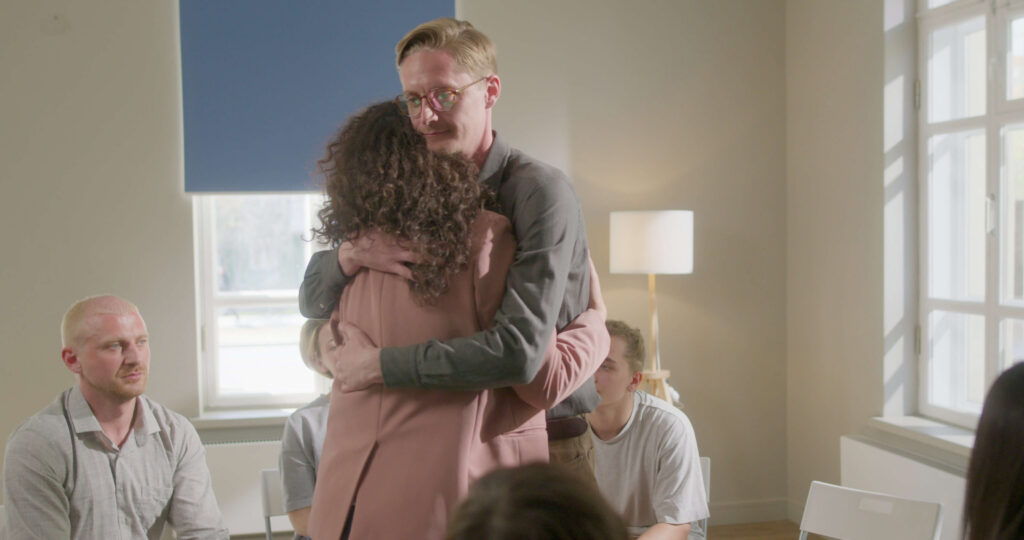
Death doulas often support individuals through a deeply emotional process that includes reflection, reconciliation, and meaning-making.
Regrets, Unfinished Business, and Emotional Healing
Many individuals nearing the end of life reflect on what is sometimes called RUGS:
- Regrets
- Unfinished business
- Guilt
- Shame
Working through these emotions can bring peace and closure for both the individual and their loved ones.
Grief as a Living Process
Grief does not begin at death—it often begins long before.
Families may experience:
- Anticipatory grief
- Emotional exhaustion
- Anxiety about loss
- Conflicted emotions
Support during this time can help families feel less alone and more emotionally grounded.
As discussed in Financial Self-Care for Caregivers, emotional strain often overlaps with physical and financial caregiving burdens, making holistic support especially important.
How Death Doulas Work with Hospice and Palliative Care
Death doulas are not a replacement for medical care—they are a complement to it.
They often work alongside:
Hospice Teams
- Nurses
- Physicians
- Social workers
- Chaplains
- Aides
Hospice provides medical and comfort care, while death doulas provide emotional and relational support.
Palliative Care Teams
Palliative care focuses on symptom management and quality of life during serious illness, often long before end-of-life care is needed.
Together, these services create a more complete support system for individuals and families.
Choosing a Death Doula
If a family chooses to work with a death doula, it is important to find someone aligned with their values and communication style.
Consider:
- Training or certification (such as INELDA or other recognized programs)
- Experience with end-of-life care
- Communication style and presence
- Cultural or spiritual sensitivity
- Ability to work alongside hospice teams
- Comfort level with family dynamics
The right doula should bring calm, clarity, and trust into a very sensitive time.
The Role of Planning in Emotional Peace
One of the most meaningful contributions a death doula makes is encouraging preparation.
End-of-life planning may include:
- Advance healthcare directives
- Funeral or celebration-of-life preferences
- Financial and legal organization
- Digital account planning
- Legacy projects and personal messages
These are not just logistical tasks—they are acts of love.
For families needing additional support in organizing these decisions, Aging Advisors can help guide conversations, organize documentation, and create clarity around care and planning options.
Why This Work Matters
Death doulas help reframe how we think about dying.
Instead of something to fear or avoid, death becomes something that can be:
- Witnessed
- Supported
- Honored
- Shared
- Prepared for with intention
They help individuals and families move through one of life’s most vulnerable transitions with greater presence and less fear.

Final Thoughts: Living Fully While Preparing for Death
Although death doula work centers on end-of-life care, its deeper message is about how we live.
When people are encouraged to reflect on mortality, they often begin to:
- Reevaluate priorities
- Strengthen relationships
- Communicate more openly
- Focus on what truly matters
In this way, end-of-life planning is not just about preparing for death—it is about living with greater intention.
How Aging Solutions Can Help
At Aging Solutions, we support families through every stage of aging, including planning, caregiving, healthcare transitions, and end-of-life preparation.
Our Aging Advisors help families:
- Understand care options
- Navigate complex decisions
- Organize important documents
- Coordinate with healthcare providers
- Reduce stress during transitions
Whether you’re beginning early conversations or facing immediate decisions, we provide guidance rooted in clarity, compassion, and practical support.
Conclusion
Death doulas bring humanity back into the end-of-life experience.
They help families navigate uncertainty, reduce fear, and create space for meaningful connection during one of life’s most profound transitions.
When combined with hospice, palliative care, and thoughtful planning, their support helps ensure that individuals are not only cared for—but deeply seen and honored.
To explore more conversations like this, listen to The Voice of Aging podcast and subscribe to the Aging Solutions newsletter for ongoing education, guidance, and support throughout the aging journey.
